Grade school: how condition and slabbing decide the 1943 copper penny value
Every Coins & Currency collection reaches a point where the next purchase is a real decision, and the 1943 copper penny is one of the ones worth pausing on.
What the grade actually certifies
A grade on the 1943 copper penny is shorthand for a dozen judgements a specialist made so you would not have to. It is not a guarantee of value, but in Coins & Currency it is the common language buyers and sellers trust, and learning to read it, and to disagree with it, is the single highest-leverage skill a collector can build.
About the 1943 copper penny
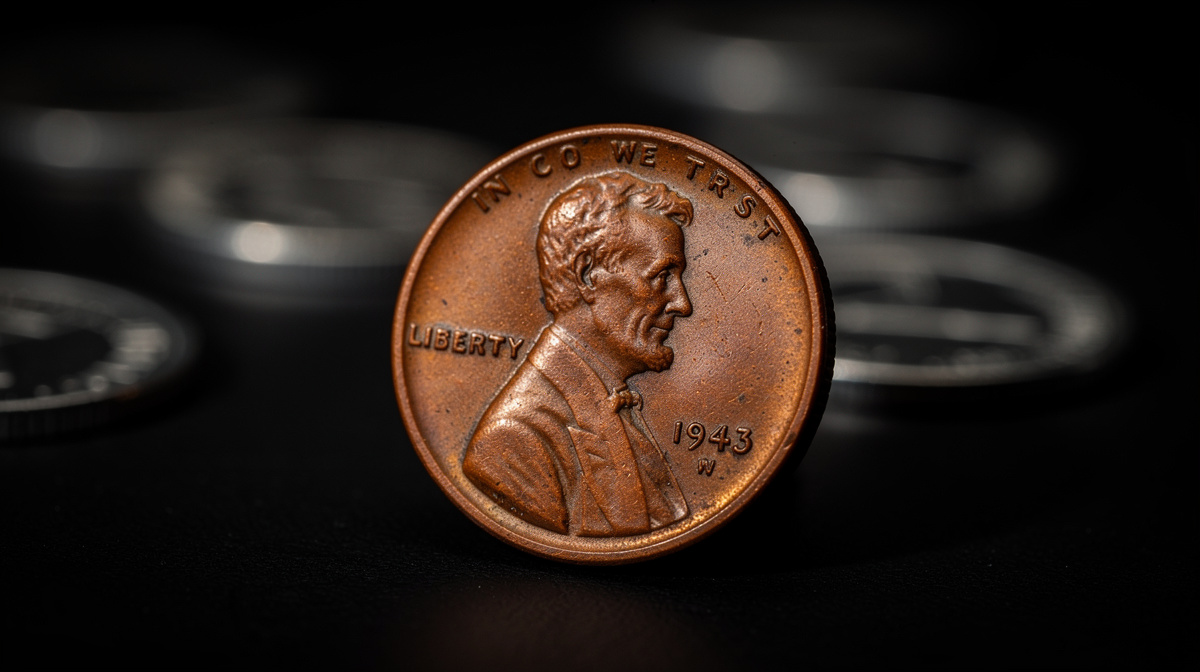
On the 1943 copper penny specifically: it is a wartime error that trades in the six figures. Within coins & currency, that means the fundamentals below matter more than the marketing, and the best examples reward buyers who do the homework.
Reading a grade like a pro
Do not stop at the number on the 1943 copper penny. Look at what drove it: centring, surfaces, edges, the specific defects the grader noted. Two pieces at the same Coins & Currency grade can be very different buys, and the collector who understands the why pays for quality instead of the label.
Supply is smaller than it looks
Headline populations flatter buyers. Strip out the damaged, restored and off-quality examples and the real supply of collectible-grade the 1943 copper penny is far thinner than the listings suggest, and thin supply is what turns a nice piece into a contested one at auction across Coins & Currency.
The takeaway
Bottom line on the 1943 copper penny: the story sells it, but condition and provenance settle the bill. Get those right and the rest of Coins & Currency starts to make sense.
Frequently asked
- How is the value of coins & currency determined?
- Condition, scarcity, authenticity and provenance set the price of coins & currency. Grade and completeness, including original packaging and paperwork, often matter as much as the piece itself.
- How can I tell if a coins & currency piece is authentic?
- Check it against known-good references, inspect the details under magnification, and confirm the paperwork survives scrutiny. When in doubt, use a reputable third-party authentication or grading service before you pay.
- Is coins & currency a good long-term hold?
- The best examples, in top condition with clean provenance, have tended to hold value; average pieces bought at peak prices often have not. Buy quality, keep records, and think about the exit before you buy.